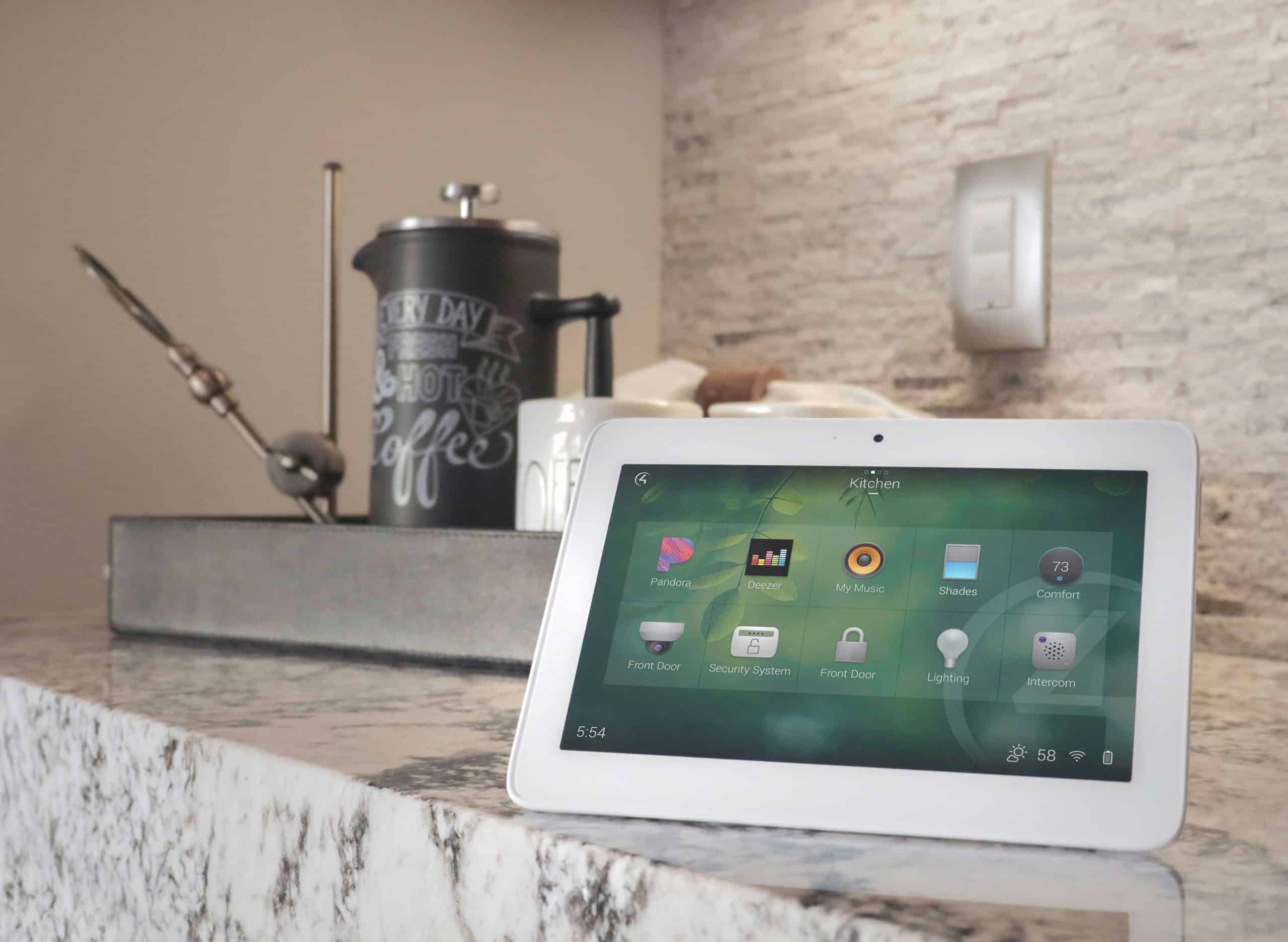

 Smart home technology has made controlling audio systems more intuitive than ever. Whether you’re streaming music or adjusting volume in a home theater, the interface you choose plays a big role in how seamless your experience is. The two most common options—voice control and touch control—both offer convenience, but which one is best for you?
Voice Control: Hands-Free Convenience
Voice control allows you to command your audio system using devices like Amazon Alexa, Google Assistant, or Apple Siri. With a simple phrase, you can:
-
Adjust volume
-
Skip tracks or switch inputs
-
Activate entire home audio zones
Benefits:
-
Hands-free operation, perfect for multitasking or accessibility
-
Quick and responsive for frequent tasks
-
Easily integrates into a broader smart home ecosystem
Considerations:
-
Privacy concerns with always-on microphones
-
Voice recognition can struggle with background noise or strong accents
-
May require a learning curve for proper phrasing
Touch Control: Precision and Familiarity
Touch interfaces come in the form of wall-mounted panels, remotes, or apps on your smartphone or tablet. They provide precise control over multiple audio zones and features.
Benefits:
-
Visual interface makes it easier to see and adjust settings
-
Works well in noisy environments
-
Often includes full system access for more complex setups
Considerations:
-
Requires free hands and direct interaction
-
Can be less intuitive for guests or less tech-savvy users
-
Panel placement and screen navigation may affect convenience
Voice Control vs. Touch Control –
Choosing the Right Control Style
Many homeowners find that a hybrid approach works best. Voice control can handle simple commands quickly, while touch control allows for more nuanced adjustments. You might use voice in the kitchen while cooking, and a wall panel or app in your theater room for full system management.
When considering voice control vs. touch control for your home audio system, think about how you use your space. For hands-free speed, voice may win out. For detail and reliability, touch still holds the edge. The ideal setup may blend both—tailored to your routine and lifestyle.