Davis Audio & Video Resource Guide
Motorized Shades Guide
Motorized shades are one of the most refined smart home upgrades because they improve the look, comfort, and usability of a home without demanding attention. They control natural light, reduce glare, support privacy, protect furnishings from UV exposure, and integrate beautifully with lighting and automation scenes. In a luxury home, shades should feel like part of the architecture, not an afterthought.
Guide Section
Why Motorized Shades Are Different From Manual Treatments
Manual shades rely on people remembering to adjust them. In large homes, tall windows, wide glass walls, hard-to-reach areas, and multiple exposures make that impractical. Motorized shades allow the home to manage daylight and privacy with a button press, schedule, scene, or app control.
The lifestyle difference is significant. Morning shades can open gradually in the primary suite. West-facing shades can lower before late-afternoon glare makes a room uncomfortable. Privacy shades can close at dusk. A Movie scene can lower shades as the display turns on and lights dim.
For luxury spaces, motorized shades also eliminate cords and reduce visual clutter. They can be designed to align evenly, move quietly, and coordinate with interior finishes.
Guide Section
Daylight, Glare, and Interior Protection
Natural light is beautiful, but unmanaged sunlight can create glare, heat, fading, and discomfort. Lutron describes motorized shades as a way to add push-button natural light control, and shade fabrics can help filter light, reduce UV exposure, and protect furnishings.
Different rooms need different daylight strategies. A great room may need solar shades that preserve views while reducing glare. A primary bedroom may need blackout shades for sleep. A media room may need room-darkening shades. A dining room may need a fabric that feels softer and more decorative.
The best solution is selected by exposure, use, privacy needs, architecture, and design intent. There is no single fabric or opacity that works everywhere.
Guide Section
Privacy and Security Benefits
Privacy is one of the strongest reasons to automate shades. Large windows, urban homes, lakefront homes, and homes with neighboring properties often need a consistent privacy routine at night. Automated schedules can close shades at sunset or at a preferred time.
Shades can also support security by making a home look occupied while the family is away. When combined with lighting scenes, the home can maintain a more natural presence rather than simply turning lights on and off at the same time every day.
Privacy settings should be reviewed room by room. Bathrooms, bedrooms, offices, street-facing rooms, and guest suites may all require different operation.
Guide Section
Shade Types and Fabric Decisions
Common options include roller shades, solar shades, blackout shades, honeycomb shades, drapery tracks, Roman shades, and specialty solutions for unique windows. The right choice depends on design style, window size, privacy, light control, insulation, view preservation, and how the shade will be mounted.
Fabric openness is important. A lower openness factor typically provides more privacy and glare control but reduces the view. A higher openness factor preserves more view but allows more light and visibility. Bedrooms and theaters often need blackout or room-darkening strategies.
Hardware and mounting details matter. Shade pockets, fascia, side channels, hem bars, power wiring, battery access, and alignment should be planned before construction whenever possible.
Guide Section
Integration With Lighting and Automation Scenes
Shades become more powerful when integrated with lighting and smart home control. A single keypad button can set the room for Cooking, Dinner, Movie, Entertain, Morning, or Goodnight. The shades, lights, and audio can all respond together.
This integration is especially valuable in open floor plans. A late-afternoon scene can lower west-facing shades while warming the lighting and keeping the room comfortable. A Movie scene can lower shades, dim lights, and set the audio/video system without juggling remotes or apps.
For Davis, the guiding principle is simplicity. Homeowners should not need to think about which shade belongs to which window. They should select the experience they want.
Guide Section
Planning for New Construction and Remodels
Motorized shades should be discussed early in new construction. Power options, low-voltage wiring, shade pocket dimensions, framing details, window trim, ceiling conditions, and control locations need coordination among the builder, electrician, designer, and integrator.
In existing homes, battery-powered or retrofit solutions may be appropriate in some rooms, while wired solutions may be preferred where walls or ceilings are already being opened. The decision should consider window size, expected use, battery access, design expectations, and long-term service.
A professional shade project includes measurement, fabric selection, control planning, installation, programming, homeowner training, and service support.
Examples
Helpful Examples
Primary Suite Morning
Shades rise gradually while soft lighting turns on and audio starts at low volume for a calm morning routine.
Media Room Movie
Blackout shades lower, lighting dims, and the display/source powers on with one command.
Sunset Privacy
Street-facing shades close at dusk while exterior lighting and selected interior scenes create a warm evening appearance.
FAQ
Frequently Asked Questions
Are motorized shades worth it?
They are especially valuable in homes with large windows, tall glass, privacy needs, glare issues, media rooms, or homeowners who want lighting and daylight control to work together.
Can shades be controlled from a keypad?
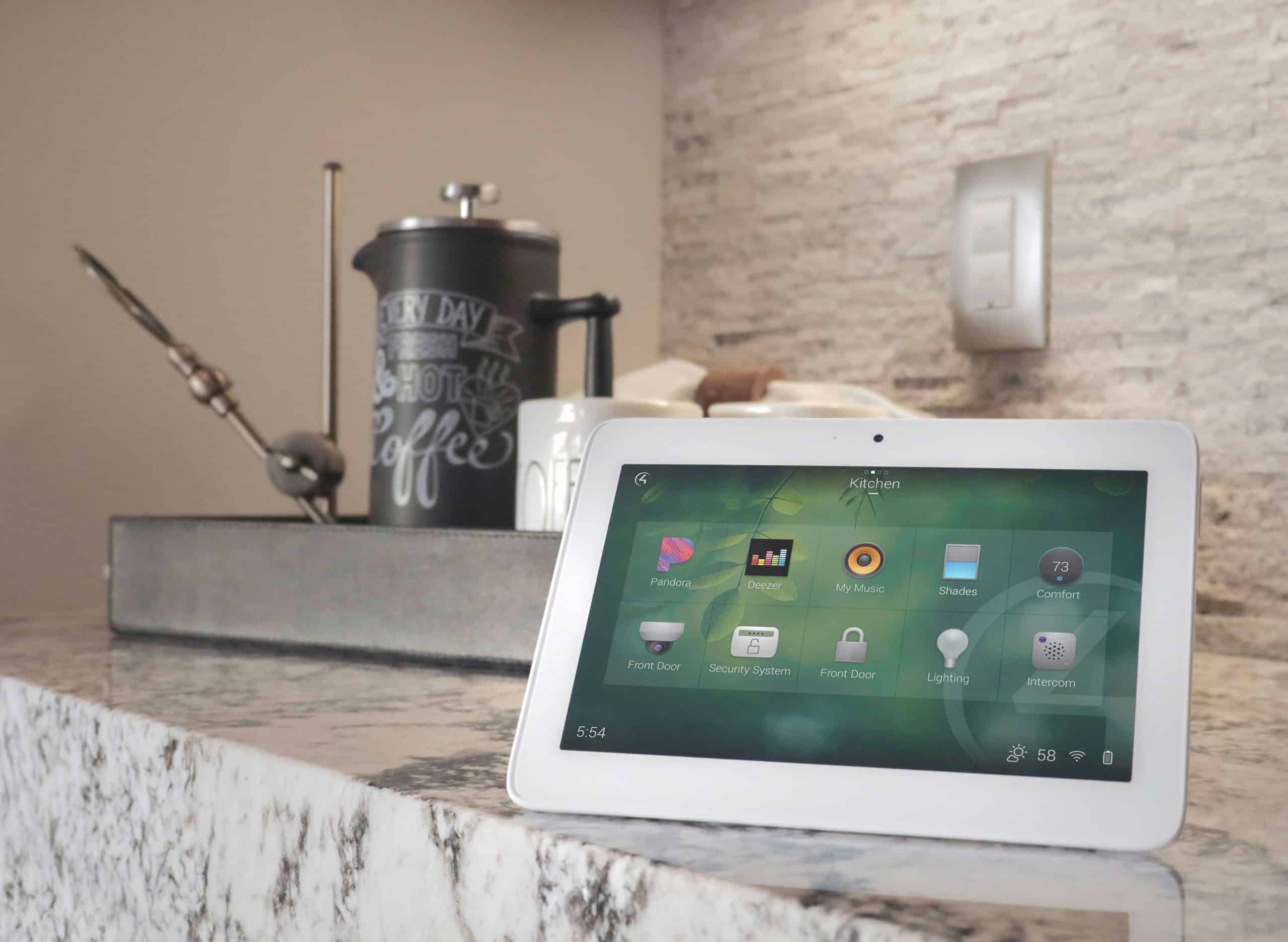
Yes. Shades can be controlled from keypads, remotes, apps, touchscreens, schedules, and smart home scenes depending on the system design.
Do motorized shades need wiring?
Wired shades are often preferred for new construction and frequently used windows. Battery or retrofit options may work in existing homes depending on size and use.
Can motorized shades protect furniture?
Shade fabrics can help reduce glare and UV exposure, which can help protect furnishings, artwork, rugs, and finishes from fading.
Can shades integrate with lighting control?
Yes. Coordinating shades and lighting is one of the best ways to improve comfort, privacy, and atmosphere throughout the day.
Plan Your System With Davis Audio & Video
Davis Audio & Video can help you select, plan, install, and integrate motorized shades that fit the architecture of your home and the way you live. Schedule a consultation to discuss your windows, rooms, and control goals.